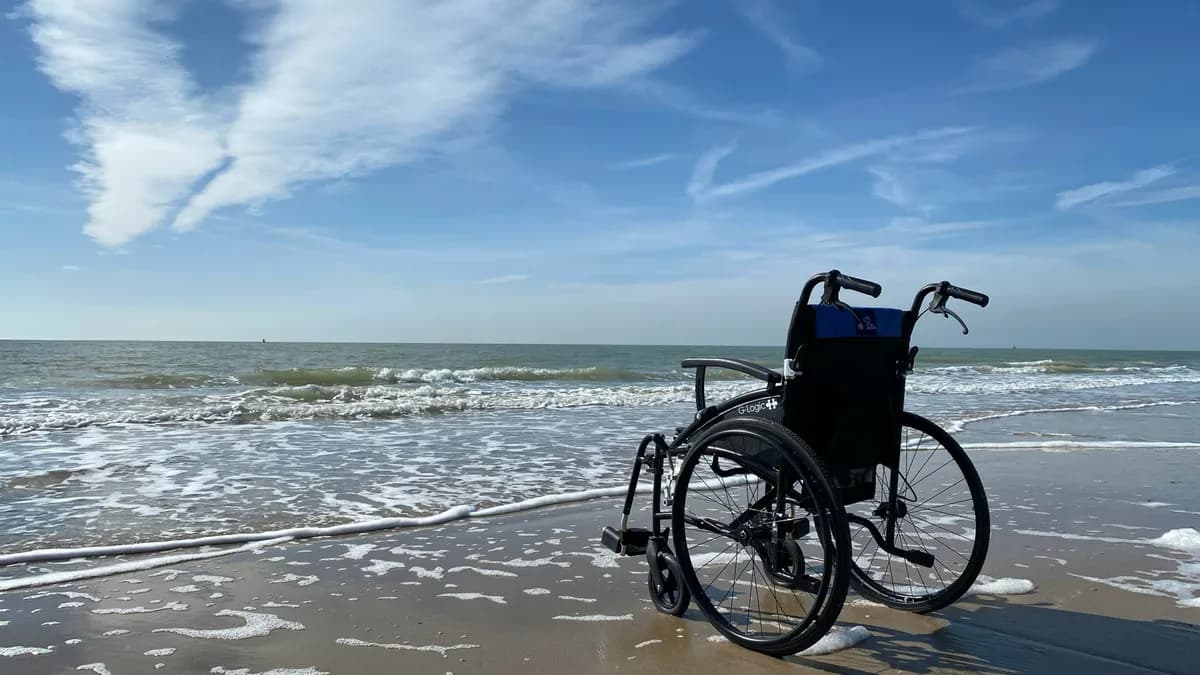
Accessible Travel Guide to the Dominican Republic
Dominican Republic accessible travel guide covers wheelchair-friendly resorts, PUJ and SDQ airport assistance, and Zona Colonial's cobblestone streets.
Let's be direct: the Dominican Republic is not the most accessible Caribbean destination, but it is far from the worst. The gap between the resort experience and independent travel is enormous when it comes to accessibility. A wheelchair user at a modern Punta Cana all-inclusive will have a fundamentally different experience than someone trying to navigate the cobblestone streets of the Zona Colonial in Santo Domingo.
This guide gives you the unfiltered reality, what works, what doesn't, and how to plan a trip that minimizes frustration. We consulted wheelchair users, travelers with visual impairments, and families traveling with disabled children who have visited the DR multiple times. Their insights shape every section below.
Honest Overview: Accessibility in the DR
The Dominican Republic passed Ley 5-13 (Law on Disability) in 2013, which mandates accessibility in public buildings and transportation. Enforcement, however, remains inconsistent. Here is the honest breakdown:
What Works Well
- Modern all-inclusive resorts: The large chains in Punta Cana, especially those built or renovated after 2015, generally meet ADA-equivalent standards with roll-in showers, grab bars, wide doorways, and pool lifts
- Airport assistance: PUJ (Punta Cana International) and SDQ (Las Américas) both provide wheelchair assistance, priority boarding, and accessible restrooms. Request through your airline 48 hours in advance
- Private transfers: Some private transfer companies offer vehicles with ramp access if booked well in advance; confirm the vehicle type and the ramp directly with the operator before paying
- Attitude of locals: Dominicans are exceptionally helpful. Strangers will offer assistance without being asked, genuinely and without expectation of a tip
What Does Not Work Well
- Sidewalks and streets: Outside of resort compounds, sidewalks are cracked, uneven, or nonexistent. Curb cuts are rare even in major cities
- Public transportation: Guaguas (minibuses) and the Santo Domingo Metro have limited accessibility. The Metro Line 1 has elevators at most stations, but they are frequently out of service
- Historic areas: The Zona Colonial's 500-year-old cobblestones are extremely difficult for wheelchairs, walkers, and even some mobility scooters
- Beach access: Most public beaches have no wheelchair ramps or boardwalks to the water. Sand is loose and deep in many areas
- Small hotels and guesthouses: Boutique accommodations in places like Las Terrenas and Cabarete rarely have accessible rooms
Airport Accessibility: PUJ, SDQ & Beyond
Punta Cana International Airport (PUJ)
PUJ is the main gateway for resort travelers and is the most accessible airport in the country. Terminal B's expansion began operating in 2023 and includes jet bridges (no stair climbing for most international flights), accessible restrooms in each terminal section, ramp access throughout, and designated wheelchair assistance staff.
Important: Request wheelchair assistance through your airline at least 48 hours before departure. At PUJ, the assistance staff are contracted by the airport and generally arrive promptly. Tip RD$200-500 (US$3-8), it is appreciated but not mandatory.
Immigration and customs are on a single level. The main challenge is the walk from immigration to ground transportation, which can exceed 200 meters. Ask your assistance agent to stay with you through to your transfer vehicle.
Las Américas International Airport (SDQ)
SDQ serves Santo Domingo and is older than PUJ. Accessibility is adequate but not seamless. Some gates still use stair access to the tarmac (request jet bridge gates when booking). Elevators exist but are sometimes locked, ask security staff to unlock them. The terminal has accessible restrooms but they are fewer and farther between than at PUJ.
The drive from SDQ to the Zona Colonial or Piantini hotels takes 25-40 minutes. Arrange an accessible transfer in advance, do not rely on the taxi queue outside arrivals, as standard DR taxis are small sedans without wheelchair storage.
Gregorio Luperón Airport (POP, Puerto Plata)
Smaller and less modern than PUJ. Wheelchair assistance is available but the terminal is compact with tighter pathways. Most flights use stair access. If mobility equipment is a concern, contact your airline specifically about POP procedures.
Resort Accessibility Ratings
Not all resorts are created equal. We rate these based on reports from travelers with mobility needs and our own inspections:
Excellent Accessibility (ADA-Equivalent)
- Hard Rock Hotel & Casino Punta Cana: Purpose-built accessible rooms with roll-in showers, lowered counters, and wide hallways. Pool lift available. The casino, restaurants, and entertainment venues are all on one level or connected by elevators. Beach wheelchair available on request. This is consistently rated the best accessible resort in the DR.
- Hyatt Zilara Cap Cana (adults-only) / Hyatt Ziva Cap Cana (family): Newer construction with modern accessibility standards. Roll-in showers, accessible pool entries, and beach boardwalk extending partway to the sand. Request ground-floor ocean-view rooms for easiest access.
- Secrets Cap Cana Resort & Spa: Accessible rooms with wide doorways (36 inches), roll-in showers with bench, and grab bars. The main pool has a lift. Restaurants are accessible via ramps or elevators.
Good Accessibility (With Some Limitations)
- Barceló Bávaro Palace: The hotel fact sheet lists accessible rooms in buildings 4 and 5, Family Section and Golf Section; confirm your room location directly. The resort is sprawling, some restaurants require a 10-15 minute walk or shuttle ride. Beach access requires crossing a sandy path; staff will assist.
- JOIA Bávaro by Iberostar (formerly Iberostar Grand Bávaro): Flat, well-paved grounds with ramp access to most buildings. Accessible rooms have grab bars and shower seats. The beach transition is the weakest point, no beach wheelchair on-site, but staff will help with a standard chair.
- JW Marriott Santo Domingo: The best accessible hotel in the capital. Modern construction, fully accessible rooms, and located in the Piantini business district with smooth, paved sidewalks nearby. Not beachfront, but the best base for exploring the city.
Limited Accessibility
- Most Zona Colonial boutique hotels: Historic buildings with narrow staircases, uneven floors, and no elevators. Charming but not suitable for wheelchair users. The Casas del XVI hotel group has made some accessibility improvements, but call ahead to confirm specifics.
- Eco-lodges in Jarabacoa and Samaná: Mountain and jungle settings mean uneven terrain, steps, and limited paved paths. These are generally not appropriate for wheelchair users.
Beach Accessibility & Beach Wheelchairs
Beach access is one of the biggest challenges for wheelchair users in the DR. The sand is loose and deep at most beaches, and permanent boardwalks to the waterline are virtually nonexistent at public beaches.
Resorts with Beach Wheelchairs
The following resorts either own beach wheelchairs or can arrange them with 48-72 hours notice:
- Hard Rock Hotel Punta Cana (complimentary, on-site)
- Hyatt Ziva/Zilara Cap Cana (on request)
- Club Med Punta Cana (on request)
- Nickelodeon Hotels & Resorts Punta Cana (on request, family-friendly)
Bring your own: If beach access is critical, consider bringing a portable beach wheelchair (check the chair's weight, packed dimensions and transport arrangements with your airline). This can improve beach access, but balloon wheels may require an attendant.
Best Beaches for Accessibility
Bávaro Beach behind the resort strip is the most accessible because the sand is relatively firm near the waterline and resort staff are available to help. Playa Juanillo in Cap Cana has a harder-packed sand base than most DR beaches, making it slightly easier for wheels. Avoid Macao Beach, the waves are strong and the sand is steep and loose.
Santo Domingo & Colonial Zone Challenges
The Zona Colonial is the crown jewel of Dominican history, and one of the most challenging areas for travelers with mobility needs. Built over 500 years ago, the streets are paved with adoquines (cobblestones) that are uneven, slippery when wet, and brutal on wheelchair wheels.
What to Expect
Calle El Conde, the main pedestrian boulevard, has been repaved with smoother stones and is the most navigable street. But side streets, Calle Las Damas, Calle Hostos, Calle Isabel La Católica, are rough. Sidewalks are narrow (often under 36 inches) and interrupted by parked motorcycles, vendor carts, and missing sections.
The major museums (Alcázar de Colón, Museo de las Casas Reales) have made accessibility improvements with ramps at entrances, but interior spaces still have steps between gallery rooms. The Catedral Primada de América has ramp access to the main nave but the side chapels are elevated.
Best Strategy for the Zona Colonial
Hire a private guide with a vehicle. Park near Parque Colón or at the Puerta del Conde end, since Calle El Conde itself is pedestrian only, and explore the central area on foot (or wheels), then drive to sights that are farther afield. A 4-hour private tour costs RD$3,000-5,000 (US$50-85). Ask your hotel concierge to arrange one, specify your accessibility needs so the guide can plan an appropriate route.
Accessible Transportation Options
Private Transfers (Best Option)
Pre-arranged private transfers are the most reliable accessible transportation in the DR. Companies that offer wheelchair-accessible vehicles include:
- Specialist accessible transfer operators: Several Punta Cana companies run vans with removable rear seats and basic ramp access. Book several days ahead and confirm the ramp, the vehicle and the price in writing.
- Dominican Airport Transfers: Covers PUJ and SDQ with accessible options. Specify wheelchair dimensions when booking.
- Your resort concierge: Most 4-5 star resorts can arrange accessible vehicles for excursions with 48-72 hours notice. Expect to pay US$80-150 for a half-day vehicle.
Uber & InDriver
Available in Santo Domingo, Santiago, and Punta Cana. Neither app offers wheelchair-accessible vehicle categories. Standard cars are small sedans, a foldable wheelchair fits in the trunk, but power chairs and scooters will not. For larger vehicles, request an SUV category or hire a private service.
Public Transportation
The Santo Domingo Metro (Line 1 and Line 2) has elevator access at most stations and designated wheelchair spaces in each car. However, elevators are frequently out of service. The Teleférico (cable car system) connecting Santo Domingo's barrios does have lifts and access ramps at its stations, but the lifts are out of service often enough that you should check before relying on them. Guaguas (public minibuses) do not accommodate wheelchairs.
Medical Facilities & Pharmacy Access
The DR has solid medical infrastructure in major cities, and pharmacies are everywhere.
Hospitals with International Standards
- Centro Médico Punta Cana (Grupo Rescue; Hospiten Bávaro is a separate hospital nearby): The go-to hospital for resort tourists. Modern facility, English-speaking staff, accepts international insurance. ER accessible 24/7.
- CEDIMAT (Santo Domingo): Top cardiac and diagnostic center. Fully accessible. Located in the modern city, not the colonial zone.
- Hospital General de la Plaza de la Salud (Santo Domingo): Large public-private hospital with wheelchair-accessible facilities and English-speaking specialists.
Pharmacies
Farmacias are on virtually every block in urban areas. Major chains include Farmacia Carol, GBC, and Los Hidalgos. Most medications available without prescription in the U.S. or Europe are also available OTC in the DR, including many that require prescriptions back home. Bring a typed list of your medications with generic names (not brand names) in case you need replacements.
Pharmacy accessibility varies: chain pharmacies in shopping centers are accessible, but standalone corner pharmacies often have a step at the entrance. Farmacia Carol locations in Punta Cana and Santo Domingo malls are consistently accessible.
Booking Accessible Rooms: What to Verify
Do not trust website photos alone. Call the resort directly and verify these specific details:
- Doorway width: Minimum 32 inches for standard wheelchairs, 36 inches preferred. Ask about the bathroom doorway specifically, it is often narrower than the room entrance
- Shower type: Roll-in shower (no lip or curb) vs. tub with grab bars. A "walk-in shower" may still have a 2-3 inch lip that blocks wheelchair entry
- Bed height: Adjustable or standard? Power wheelchair users often need specific transfer heights
- Balcony access: Many "accessible" rooms have a 2-4 inch step to the balcony that no one mentions until you arrive
- Distance to main areas: Ask how far the accessible room is from the lobby, pool, beach, and restaurants. At sprawling resorts, this can be 400+ meters
- Pool lift or zero-entry pool: Not all resorts have pool lifts. Zero-entry (gradual slope) pools are more common and work well for many users
Pro tip: Email the resort a written request specifying your exact needs, and ask for written confirmation of the room assignment. This gives you documentation if the room does not match what was promised.
Travel Insurance for Travelers with Disabilities
Travel insurance is non-negotiable for accessible travelers visiting the DR. Some policies automatically cover specified pre-existing conditions when their eligibility requirements are met; check your exact policy. Some insurers offer a pre-existing condition exclusion waiver on specific plans only, usually requiring purchase within a short window of your first trip payment (7 days on some policies, 14 to 21 on others) and that you are medically fit to travel. Confirm the waiver and its conditions on the exact policy you are buying. Key coverages to verify:
- Medical equipment coverage: Does the policy cover repair or temporary replacement of mobility equipment (wheelchair, scooter, prosthetics) if damaged during transit?
- Medical evacuation: If you need evacuation to a better-equipped facility (Miami is a 2-hour flight from the DR), does the policy cover air ambulance? This can cost US$25,000-75,000 without insurance.
- Trip interruption: If accessibility at your accommodation fails to meet agreed-upon standards and you need to change hotels, is the cost covered?
Companies recommended by accessible travel communities include Allianz Global Assistance, Travel Guard, and World Nomads. Read the fine print on pre-existing condition waivers, they have strict enrollment windows.
Tips from Experienced Accessible Travelers
These recommendations come directly from wheelchair users and travelers with mobility impairments who have visited the DR multiple times:
- Stick to Punta Cana for your first trip. The resort infrastructure is the most accessible, and you can test the waters before planning more adventurous itineraries
- Bring spare parts for your chair. Wheelchair repair services are limited to Santo Domingo and Santiago. A flat tire on a beach day with no backup tube is a trip-ruiner
- Request a ground-floor room even if the resort says it has elevators. Elevator breakdowns happen, especially during peak season when electrical systems are strained
- Pack a portable ramp. A lightweight threshold ramp (US$30-60 on Amazon) solves the small step problems that plague many DR hotel rooms and restaurants
- The dry season (December-April) is better for mobility. Wet season rain creates puddles, mud, and slippery surfaces that compound accessibility challenges
- Learn basic Spanish phrases like "Necesito ayuda" (I need help), "¿Tiene rampa?" (Do you have a ramp?), and "Mi silla de ruedas" (my wheelchair). Check our Dominican Spanish phrases guide for more
- Budget extra for private transportation. Public transport is not reliably accessible. Plan on US$50-100/day for private vehicles if you are traveling outside a resort
Frequently Asked Questions
Can wheelchair users enjoy the beaches in the Dominican Republic?
Yes, but it requires planning. The best option is staying at a resort that provides beach wheelchairs, Hard Rock Punta Cana is the gold standard for this. At public beaches, the sand is loose and deep, making standard wheelchairs nearly impossible to push. A portable balloon-tire beach chair (bring your own or rent through your resort) opens up most beaches. Bávaro Beach and Playa Juanillo have the firmest sand among popular east coast beaches.
Is the Santo Domingo Colonial Zone accessible for wheelchair users?
Partially. The main boulevard, Calle El Conde, has been repaved and is relatively smooth. Side streets are rough cobblestone with narrow sidewalks and obstacles. The major museums have ramp access at entrances but interior navigation varies. We recommend hiring a private guide with a vehicle (US$50-85 for 4 hours) who can drive between sights rather than attempting the full zone on wheels. The modern neighborhoods of Piantini and Naco are far more accessible for everyday navigation.
Should I bring my own wheelchair or rent one in the DR?
Bring your own. Wheelchair rental services exist in Santo Domingo (medical supply stores on Avenida Abraham Lincoln) but the quality and fit are unpredictable. Airlines are required to transport mobility devices at no extra charge, inform them at booking and again 48 hours before departure. If your chair is damaged in transit, file a claim immediately at the airline's baggage office before leaving the airport. Carry a photo of your chair's condition before the trip as documentation.
Table of Contents
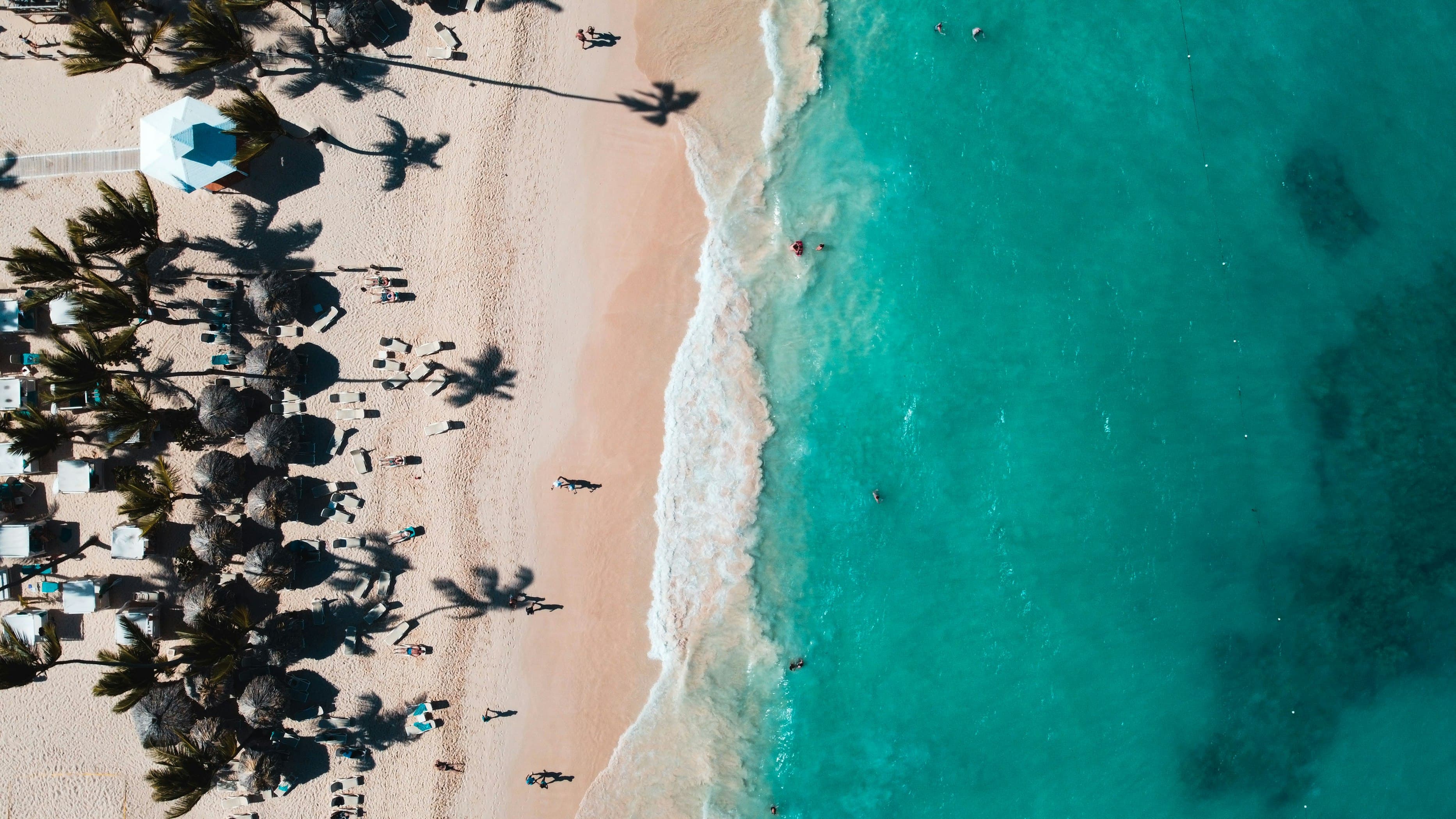
Punta Cana
This guide covers Punta Cana. Explore more about this destination.
View DestinationAbout the Author
Alex Borshch
Founder and editor of the Isla365 network. Spent six months living in the Dominican Republic over the 2013-14 winter, and has since wintered in Thailand, Vietnam and Turkey. Writes and edits the guides across the network.